

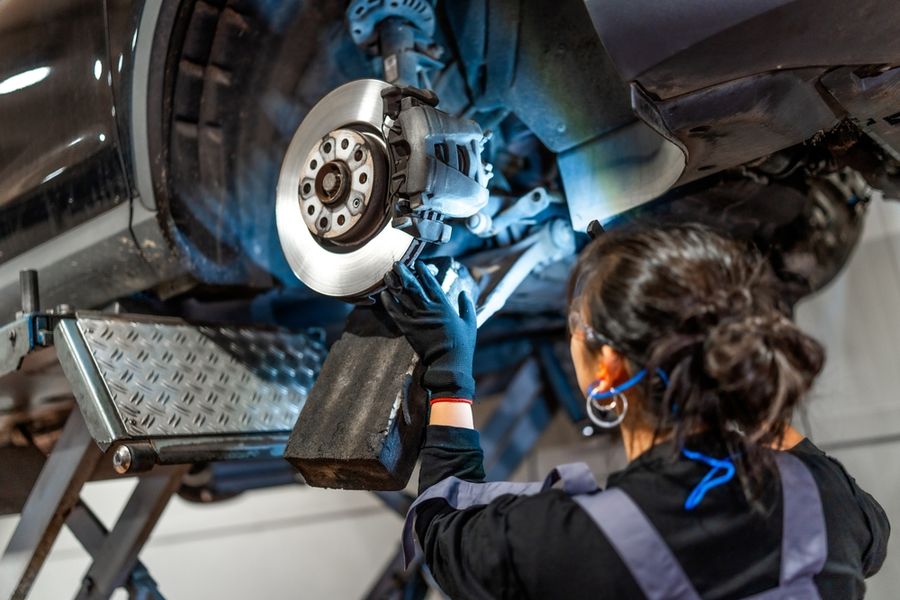
Healthy brakes are essential for safe driving, smooth stopping, and overall vehicle control. Many drivers only think about their brakes when a noise or vibration appears, but regular awareness can prevent bigger problems from developing. Understanding how braking systems work and recognizing early signs of wear helps protect both the vehicle and passengers. With consistent care and a few simple habits, brakes stay responsive, reliable, and ready for every road ahead.
How Do Brake Systems Work and Why Do They Wear Out?
Brake systems rely on friction to slow the vehicle, and that friction gradually wears down brake pads and other components. When the brake pedal is pressed, hydraulic pressure forces the pads against the rotors, creating the stopping power needed to control speed. Over time, heat and repeated use cause the pads to thin and the rotors to experience minor surface changes. This natural wear is expected and occurs at different rates depending on driving style.
City driving, with frequent stops and starts, tends to wear brakes faster than highway travel. Weather conditions, road quality, and vehicle weight also play important roles. Because wear happens gradually, most drivers don’t notice a decline in performance until the symptoms become obvious. Routine checks help ensure the system remains strong and responsive before issues develop.
What Are the Most Common Signs of Brake Wear?
Brake wear reveals itself through various sounds and sensations . Squeaking or squealing often indicates that the brake pads have reached their built-in wear indicators. Grinding noises suggest more advanced wear, potentially signaling metal contact that requires immediate attention. Vibrations in the steering wheel or brake pedal may point to warped rotors or uneven pad wear, which can affect stopping performance.
Drivers may also notice the brake pedal feeling softer than usual or requiring more pressure to stop the vehicle. This change can indicate fluid issues or air within the braking system. Longer stopping distances are another important warning sign. Paying attention to early symptoms helps prevent more serious complications and maintains consistent braking safety.
How Often Should Brakes Be Inspected?
Regular inspections play a key role in maintaining brake efficiency. Many professionals recommend having brakes checked at least once a year , though drivers who log high mileage or frequently navigate stop-and-go traffic may need more frequent evaluations. Inspections typically include measuring pad thickness, examining rotors, and checking brake fluid levels for proper consistency and cleanliness.
Brake fluid should also be monitored, as it absorbs moisture over time, which affects braking performance. Some manufacturers recommend flushing brake fluid at specific intervals to maintain optimal system pressure. Staying proactive with inspections ensures the braking system remains dependable and prevents problems from developing unnoticed. Consistency builds long-term safety and confidence behind the wheel.
What Causes Brakes to Make Noise?
Brake noises can arise from several sources, not all of them severe. Moisture or surface rust on rotors may cause temporary squeaks during the first few stops of the day. Dust and debris can also create light noises that disappear quickly as the brakes warm up. However, persistent sounds often point to worn pads or glazed components that require attention.
High-pitched squealing usually indicates that brake pads have worn down and need replacement. Grinding noises signal more advanced wear, suggesting metal-to-metal contact that can damage rotors. Ignoring these sounds can lead to more expensive repairs and reduced stopping power. Identifying the cause early ensures smoother, safer braking and extends the life of the system.
What Role Does Brake Fluid Play in Performance?
Brake fluid transfers the force applied to the pedal into hydraulic pressure, allowing the brakes to respond quickly and effectively. Over time, the fluid absorbs moisture from the air, which lowers its boiling point and affects performance during heavy braking. Contaminated or aged fluid can create a spongy pedal feel and reduce the system’s responsiveness, especially during sudden stops.
Checking fluid levels and quality helps maintain consistent braking performance. If the fluid looks dark or cloudy, it may be time for a flush. Fresh brake fluid supports quicker response times and reduced fade during repeated braking. Keeping the hydraulic system healthy enhances safety and preserves the integrity of other brake components.
Can Driving Habits Extend the Life of Your Brakes?
Driving habits significantly influence brake longevity. Smooth, gradual braking reduces heat and strain on pads and rotors, extending their lifespan. Avoiding tailgating helps minimize sudden, aggressive stops that accelerate wear. Allowing the vehicle to slow naturally before applying the brakes also decreases friction and conserves energy within the system.
Drivers can further support brake health by staying mindful of vehicle weight. Extra cargo requires more stopping power and increases pad wear. Using lower gears when descending steep hills helps reduce reliance on brakes and prevents overheating. Small changes in everyday driving greatly contribute to quieter, longer-lasting brakes.
Building Confidence Through Brake Awareness
Caring for a braking system becomes much easier when drivers understand how it functions and know what signs to watch for. Routine inspections, mindful habits, and timely repairs all play a role in maintaining dependable stopping power.
With consistent attention, brakes stay strong and responsive across various driving conditions. When drivers build awareness and prioritize brake health, every trip feels safer and more controlled.