

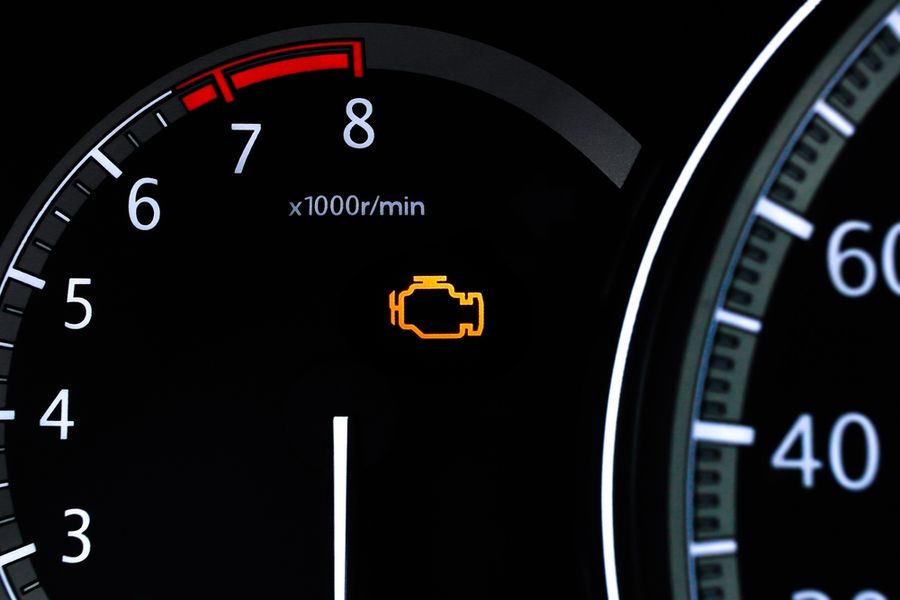
A check engine light can catch any driver off guard, especially when everything seems to be running normally. It's a small indicator that often raises questions about what might be happening under the hood and how serious the issue may be. While the light can point to a wide range of concerns, understanding its purpose helps reduce uncertainty. Understanding how to respond calmly and appropriately makes it easier to protect your vehicle and prevent minor problems from becoming major ones.
What Does the Check Engine Light Actually Mean?
The check engine light is part of a vehicle’s onboard diagnostic system, designed to alert drivers when something in the engine or emissions system needs attention. It monitors key components and sensors to ensure the vehicle performs efficiently and safely. When a problem is detected, even if small, the system triggers the light to prompt further investigation. The light itself does not reveal the specific issue but signals that the computer has stored a diagnostic code.
While the cause may be simple, such as a loose gas cap, it can also indicate concerns that affect performance or emissions. Because the severity varies widely, the light should never be ignored. Recognizing that the indicator is a communication tool rather than a cause for panic helps drivers approach the situation with clarity and confidence.
How Can You Tell If the Problem Is Serious?
The behavior of the check engine light often provides the first clue. A steady light typically indicates a non-urgent issue, though it still requires timely attention. A flashing light signals a more serious problem, such as a misfire that may damage the catalytic converter if left unresolved. In that case, reducing speed and seeking professional help immediately is the safest option.
Drivers may also notice changes in performance. Rough idling, reduced power or unusual noises suggest the vehicle is struggling. Even when the vehicle appears to run normally, underlying issues may continue silently. Paying attention to how the car feels can help gauge whether urgent action is required.
What Are the Most Common Causes of a Check Engine Light?
One of the most frequent triggers is an improperly sealed or loose gas cap , which affects the emissions system. Faulty oxygen sensors, mass airflow sensors, or spark plugs can also activate the light. These components play vital roles in fuel efficiency and engine performance, so malfunctions often lead to reduced power or increased fuel consumption. Problems within the emissions system, such as catalytic converter concerns, are another possibility.
Electrical issues or damaged wiring may also contribute. Modern vehicles rely heavily on sensors and computer communication, making them sensitive to even minor disconnections. While some causes are inexpensive to resolve, others may require more comprehensive service. Identifying the specific reason requires diagnostic scanning, which reads the stored error codes.
Should You Keep Driving When the Light Comes On?
In many cases, a steady check engine light allows for short-term driving , especially if the vehicle feels normal. However, the issue should not be ignored for long, as continued use may worsen the problem. Scheduling a diagnostic check soon after the light appears protects the engine and helps prevent unexpected breakdowns. Drivers should avoid heavy acceleration or towing until the cause is identified.
If the light is flashing, driving should be minimized. A flashing warning indicates a condition that may cause immediate damage if ignored. Safely pulling over and arranging professional assistance is often the best approach. Understanding when it is safe to drive and when to stop helps protect both the vehicle and the driver.
How Is a Check Engine Light Diagnosed?
Diagnostics begin with a scan tool that reads error codes stored in the vehicle’s computer. These codes provide starting points for identifying the underlying issue. Many auto shops and service centers offer this scanning service, and some drivers choose to use handheld scanners at home for quick assessments. While codes help identify affected systems, further inspection is often needed to confirm the exact cause.
Technicians may test sensors, evaluate engine performance, or examine wiring to pinpoint the problem. Because multiple issues can share similar symptoms, professional diagnosis ensures accuracy and prevents unnecessary repairs. Once the source is identified, appropriate repairs can be made to clear the code and restore normal operation.
What Should You Do After the Light Turns Off?
If the check engine light disappears on its own, the issue may have been temporary, but the vehicle should still be monitored. Some problems resolve themselves briefly before returning, especially if the cause is intermittent. Keeping track of any accompanying symptoms can help identify patterns that may assist in future diagnosis. If the light comes back on, arranging a professional evaluation is wise.
After a mechanic completes repairs, the light should remain off unless another issue arises. Drivers who use personal scanners can confirm that codes have been cleared. Staying attentive after the light turns off ensures the vehicle continues to run smoothly and reduces the chance of future surprises.
Staying Calm When the Check Engine Light Appears
A check engine light often feels unsettling, but it doesn’t have to create panic. Understanding what the light means, recognizing the difference between steady and flashing warnings, and knowing when to seek help brings clarity to an uncertain moment.
Taking a calm, thoughtful approach helps protect the vehicle and maintain safe driving. With awareness and timely attention, drivers can handle the check engine light with confidence whenever it appears.