

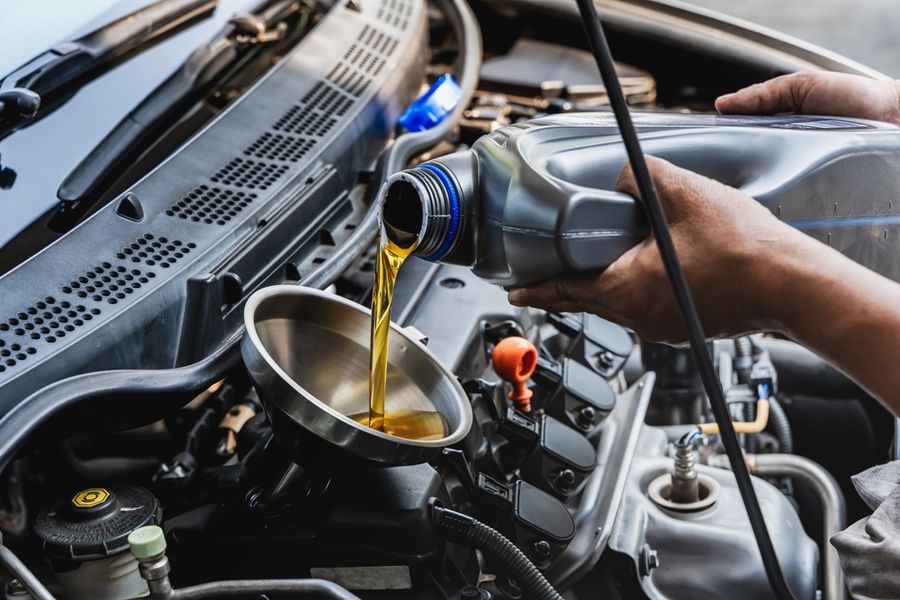
Motor oil plays a vital role in keeping an engine running smoothly, which is why staying on top of oil changes can make a significant difference in performance and longevity. Many drivers wonder how often oil change services are truly needed and what happens when they’re delayed. Understanding the basics can help prevent unnecessary wear and protect the vehicle from long-term damage. By recognizing how oil functions and when attention is required, maintenance becomes far more manageable and predictable.
How Often Should You Change Your Oil?
The ideal oil change interval depends on several factors, including the type of vehicle, driving habits and the oil used. Many modern engines can go longer between oil changes ( often 7,500 to 10,000 miles ) than older models, but routine checks remain essential. Some manufacturers recommend specific mileage ranges, while others rely on onboard monitoring systems that track usage patterns. Reviewing your owner’s manual offers tailored guidance for your vehicle’s needs.
Environmental conditions also influence oil life. Frequent short trips, heavy traffic, or extreme temperatures may require more frequent oil changes. Long highway drives, on the other hand, tend to place less strain on the engine. Paying attention to your vehicle’s performance and following manufacturer recommendations helps ensure healthy oil levels and reliable performance over time.
Why Is an Oil Change So Important?
Motor oil lubricates engine parts , preventing metal-on-metal friction that can lead to premature wear. It also helps regulate temperature and carry away debris that accumulates during normal operation. As oil gradually breaks down, it loses its ability to protect the engine effectively. Dirty or degraded oil may cause components to work harder, reducing efficiency and increasing the risk of damage.
Regular oil changes remove contaminants and replenish additives that keep the engine running smoothly. Fresh oil supports better fuel efficiency and reduces strain during acceleration. Ignoring this maintenance step can lead to costly repairs or unexpected breakdowns. Consistent oil changes remain one of the most effective ways to protect both performance and reliability.
What Are the Differences Between Conventional and Synthetic Oil?
Conventional oil is made from refined crude and works well for many standard driving conditions. Synthetic oil is engineered to offer enhanced performance, especially under extreme temperatures or heavy loads. It resists breakdown more effectively and flows better at low temperatures, making it a popular choice for modern vehicles. Some engines are specifically designed to use synthetic oil for optimal protection.
Choosing between the two often depends on driving style and manufacturer recommendations. Synthetic oil typically lasts longer, which may extend the time between oil changes. However, both types require proper upkeep to ensure engine health. Understanding the benefits of each option helps drivers make informed decisions that support long-term performance.
What Are the Signs Your Oil Change Is Overdue?
Engines often give subtle warnings when oil is past its prime. Dark, gritty oil on the dipstick can signal that it no longer protects as it should. Unusual engine noise, like knocking or ticking, may also indicate poor lubrication. A slight decrease in performance or rough idling can occur when oil thickens or loses effectiveness. Some vehicles may display an oil service light as a reminder that attention is needed.
Ignoring these signs can place unnecessary strain on the engine. Monitoring oil condition regularly helps catch problems early and prevent more severe issues. Even if a vehicle seems to run normally, overdue oil can cause slow, unseen damage. Timely maintenance supports smoother operation and greater peace of mind.
Should You Change the Oil Yourself or Visit a Professional?
Changing oil at home is possible for those comfortable with basic tools and procedures. It requires proper disposal of old oil, the correct replacement oil and filter, and a safe setup to access the drain plug and filter. DIY oil changes can offer more control and flexibility for drivers who prefer hands-on care. However, it also requires time, preparation, and attention to detail.
Professionals provide convenience and experience, ensuring the correct oil type is used and spotting early signs of potential issues. They also handle disposal and often perform additional checks during routine service. The best option depends on personal preference, comfort level, and available time. Both methods can be effective when performed safely and correctly.
What Should You Do When Your Oil Change Is Coming Up?
Scheduling the service ahead of time helps avoid unnecessary delays. Many drivers set reminders or rely on vehicle monitoring systems to stay on track. Reviewing recent trips or shifts in driving habits can help determine whether an earlier service might be beneficial. Keeping a simple record of past oil changes can also make planning easier and more consistent.
Before the appointment, checking the oil level ensures the engine has enough lubrication to remain safe until the service. If the oil appears extremely low or dirty, seeking immediate assistance is wise. Staying proactive ensures smoother performance, fewer surprises, and a longer-lasting engine.
Supporting Your Engine With Consistent Care
Staying committed to oil change routines creates long-term benefits for any vehicle. Each service strengthens engine protection, boosts efficiency, and reduces the risk of costly breakdowns.
Understanding oil life, choosing the right type, and responding to early warning signs all contribute to stronger vehicle performance. When drivers treat oil changes as an essential part of routine care, engines remain healthier, more reliable, and better prepared for everyday demands.