

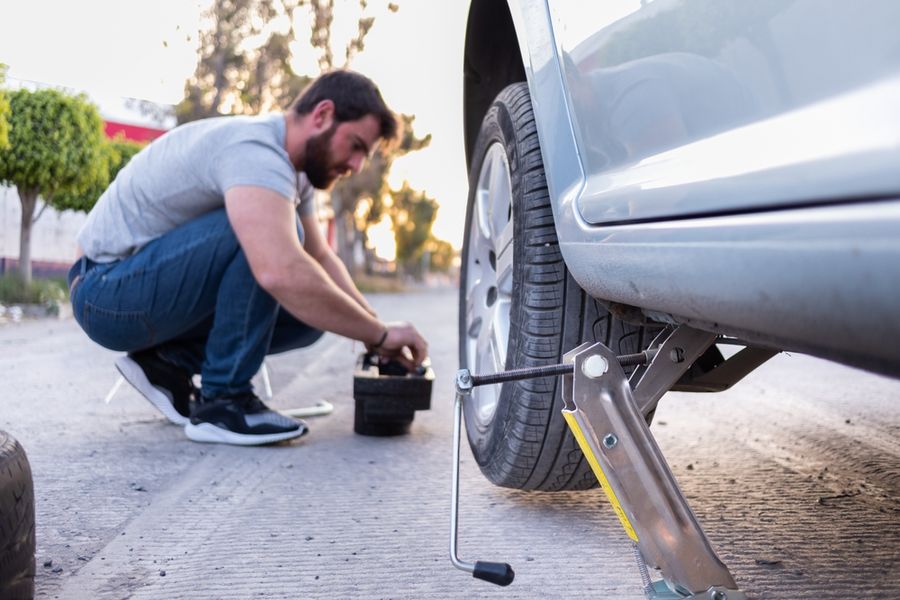
A flat tire can happen without warning, often at the most inconvenient moment. Drivers who understand the process ahead of time feel far more confident when facing an unexpected roadside challenge. Changing a tire safely depends on preparation, awareness, and a few simple steps performed with care. With the right approach, a flat tire becomes a manageable task rather than a stressful emergency. Building familiarity with the tools and process helps maintain safety and control during an uncertain situation.
What Should You Do First When You Realize You Have a Flat Tire?
The first priority when dealing with a flat tire is creating a safe environment . Pulling over to a stable, level surface away from traffic reduces risk and allows you to work comfortably. Hazard lights help alert other drivers to your presence, adding an extra layer of visibility. Setting the parking brake prevents rolling and keeps the vehicle steady while preparing to raise it.
Staying aware of your surroundings also matters. Avoid soft ground or uneven pavement, which may cause instability once the jack is in place. When possible, move to a quiet shoulder or parking area rather than stopping immediately on a busy road. Taking time to establish a secure position supports a smoother and safer tire-changing process from start to finish.
How Do You Locate the Tools Needed for a Tire Change?
Most vehicles come equipped with basic tools for changing a tire, usually stored in the trunk or rear cargo area. The essentials include a spare tire, a jack, and a lug wrench. Some vehicles hide the spare underneath the car, while others store it beneath interior panels. Consulting the owner’s manual ensures you know exactly where everything is located before beginning.
Before lifting the vehicle, the lug nuts should be slightly loosened while the tire is still on the ground. Locating the correct jacking points is equally important, as placing the jack in the wrong area can damage the vehicle or create unsafe conditions. Preparing tools ahead of time helps everything remain organized and accessible as the process unfolds.
What Is the Safest Way to Raise the Vehicle With a Jack?
Stability is crucial when lifting a vehicle, and securing the opposite-side tire with a wedge can add extra protection. Once the vehicle is settled, positioning the jack under the designated jacking point allows for safe lifting. Slowly raising the vehicle until the flat tire sits just above ground level prevents unnecessary strain on the jack. Adding a small amount of extra height ensures room to mount the spare later.
Keeping hands, feet, and tools clear of the jack during lifting reduces the chance of injury. Moving through this step with patience prevents sudden shifts or instability. Proper positioning helps create a safer workspace and prepares the vehicle for the tire change itself.
How Do You Remove the Damaged Tire and Mount the Spare?
Once the tire is lifted, you can fully remove the loosened lug nuts and set them aside in a safe place. After the nuts are removed, the flat tire slides off the wheel studs and can be placed out of the way. Lining up the spare with the studs may require a bit of adjustment, but gentle guidance ensures it settles into position. Starting each lug nut by hand helps align the wheel properly.
Tightening the nuts slightly keeps the spare secure until the vehicle is lowered. The valve stem should always face outward to ensure proper inflation access. Completing this stage carefully ensures the spare sits straight and secure before final tightening begins.
How Do You Lower the Vehicle and Safely Secure the Lug Nuts?
With the spare in place, the jack can be lowered slowly until the tire returns to the ground. Removing the jack fully allows the wheel to support the vehicle’s weight, making it safe to tighten the lug nuts properly. Tightening them in a star or crisscross pattern helps distribute pressure evenly and ensures the wheel is centered. This balanced tightening method supports smooth driving and reduces the risk of vibration.
Applying firm but controlled pressure is sufficient to secure the nuts. Over-tightening can cause damage, while under-tightening may leave the wheel loose. Returning tools and the damaged tire to the trunk keeps everything organized and ready for future use.
When Is a Spare Tire Only a Temporary Fix?
Spare tires, particularly compact versions, are designed as temporary solutions. They allow you to travel safely to a repair shop but are not built for long distances or high speeds. Understanding the limitations of a spare helps prevent further damage to the vehicle. Some newer vehicles may have run-flat tires or tire repair kits instead of traditional spares, offering different temporary solutions depending on the situation.
Checking the spare’s air pressure before driving ensures it is ready for use. Once back on the road, it is wise to visit a professional as soon as possible for the repair or replacement of the damaged tire. Treating a spare as a short-term solution helps maintain long-term safety.
Staying Ready for Unexpected Roadside Moments
Confidence grows when drivers feel prepared for challenges like a flat tire. Familiarizing yourself with tools, practicing safe techniques, and understanding the role of temporary spares all contribute to smoother experiences.
A calm, step-by-step approach helps keep stress low and safety high. With preparation and patience, handling a flat tire becomes a manageable part of vehicle ownership and an opportunity to build greater roadside readiness.