

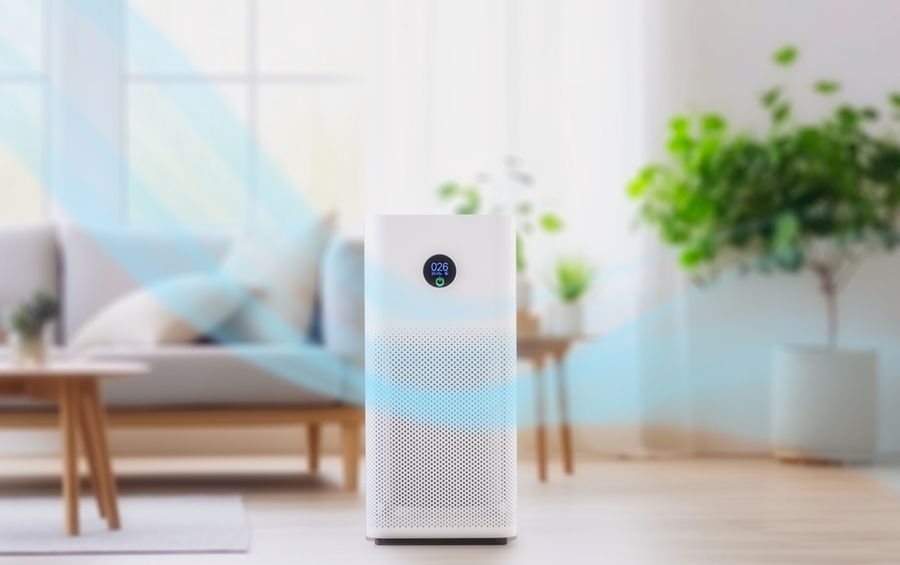
Air quality can influence comfort, sleep, respiratory health, and even how a home feels throughout the year. Dry winter air, seasonal allergies, pet dander, dust, smoke, and other environmental factors often leave homeowners wondering which device can help. Air purifiers and humidifiers are frequently discussed together, yet they serve very different purposes. Understanding what each device does, where their benefits overlap, and when they work best can make choosing the right solution much easier.
Air Purifier vs. Humidifier at a Glance
|
Air Quality Concern or Benefit |
Air Purifier |
Humidifier |
|---|---|---|
|
Removes dust from the air |
✓ |
✗ |
|
Helps reduce pollen exposure |
✓ |
✗ |
|
Helps with pet dander |
✓ |
✗ |
|
Reduces airborne smoke particles |
✓ |
✗ |
|
Captures mold spores |
✓ |
✗ |
|
Adds moisture to dry air |
✗ |
✓ |
|
Helps relieve dry skin |
✗ |
✓ |
|
Helps reduce static electricity |
✗ |
✓ |
|
May ease dry throat discomfort |
✗ |
✓ |
|
May help with dry nasal passages |
✗ |
✓ |
|
Can be used with allergies |
✓ |
Sometimes |
|
Can be used alongside the other device |
✓ |
✓ |
What Is the Difference Between an Air Purifier and a Humidifier?
One of the most common sources of confusion is that both devices are designed to improve indoor comfort, yet they operate in completely different ways. An air purifier focuses on cleaning the air. It pulls air through filters or purification systems that capture particles such as dust, pollen, pet dander, smoke, and other airborne contaminants. The goal is cleaner air with fewer pollutants circulating throughout a room.
A humidifier doesn't remove anything from the air. Instead, it adds moisture. Water is released into the room as vapor or fine mist, increasing humidity levels. Dry indoor environments can cause irritated nasal passages, dry skin, chapped lips, and sore throats. A humidifier addresses moisture levels rather than air cleanliness. Understanding that distinction is often the first step in determining which device is more appropriate for a particular situation.
Do I Need an Air Purifier or a Humidifier?
The answer depends entirely on the problem you're trying to solve. If allergies, pet dander, dust, pollen, wildfire smoke, or airborne particles are your primary concern, an air purifier is usually the better choice. Those issues are caused by pollutants suspended in the air, and air purifiers are specifically designed to help reduce their presence indoors.
A humidifier becomes more relevant when the air itself feels too dry. Common signs include dry skin, static electricity, frequent nosebleeds, cracked lips, and waking up with an irritated throat. During winter months, heating systems often reduce indoor humidity levels, making dryness a widespread issue. Looking at your symptoms rather than the device's marketing claims can make the decision much clearer.
Common FAQs About Air Purifiers and Humidifiers
Can an Air Purifier Help With Allergies?
For many allergy sufferers, an air purifier is often one of the most useful air-quality devices available. Seasonal pollen, pet dander, dust, and mold spores can remain suspended in the air for extended periods. Quality air purifiers are designed to capture many of those particles before they are inhaled, potentially reducing exposure throughout the day.
A humidifier serves a different purpose and generally won't remove allergy triggers. In some cases, excessive humidity can actually create conditions that encourage dust mites and mold growth. That's why people with allergies often focus on air filtration first. While no air purifier can eliminate every allergen in a home, reducing airborne particles may help create a more comfortable indoor environment during allergy season.
Will a Humidifier Help With Dry Skin and Dry Air?
When indoor humidity drops too low, many people notice physical symptoms before they notice the air itself feels dry. Skin may become itchy, lips may crack, and nasal passages can feel irritated. A humidifier increases moisture levels in the air, helping combat conditions commonly associated with dry indoor environments.
Dryness is particularly common during colder months when heating systems run frequently. In some climates, indoor humidity can fall below comfortable levels for weeks at a time. Adding moisture back into the air can help improve comfort and reduce irritation caused by overly dry conditions.
Can Either Device Help During Cold and Flu Season?
Many homeowners consider air-quality devices when colds and seasonal illnesses become more common. Air purifiers may help reduce airborne irritants that can aggravate respiratory symptoms, although they aren't a cure for viruses or illnesses. Cleaner indoor air may simply feel easier to breathe for some people, especially if dust, smoke, or allergens are also present.
Humidifiers can be helpful when illness is accompanied by dry nasal passages, throat irritation, or congestion caused by dry air. Maintaining comfortable humidity levels may help reduce some discomfort associated with winter dryness. Because air purifiers and humidifiers address different aspects of indoor air quality, some households choose to use both during cold and flu season to support overall comfort.
Can an Air Purifier Help With Asthma?
Many people with asthma are sensitive to airborne irritants that can trigger symptoms. Common culprits include dust, pollen, pet dander, mold spores, and smoke particles.
Because air purifiers are designed to remove many of those pollutants from indoor air, they are often recommended as part of a broader strategy for improving indoor air quality. Cleaner air may help reduce exposure to certain triggers that contribute to respiratory discomfort.
Can a Humidifier Make Allergies Worse?
A humidifier can provide relief when dry air is causing irritation, but more moisture isn't always better. If indoor humidity rises too high, it can encourage the growth of mold and increase dust mite populations. Both are common allergy triggers and can contribute to poorer indoor air quality if left unchecked.
Proper maintenance also plays an important role. Humidifiers that aren't cleaned regularly may allow mold or bacteria to develop inside the unit. Once running, those contaminants can potentially be dispersed into the air. Using distilled water when recommended, cleaning the device according to the manufacturer's instructions, and monitoring humidity levels can help reduce those risks. The goal is balanced moisture, not excessive humidity.
Can You Use an Air Purifier and Humidifier Together?
Because each device serves a different purpose, they can often work well together. An air purifier focuses on removing airborne particles, while a humidifier adds moisture to the air. If a home has both dry air and airborne pollutants, using both devices may help address each issue simultaneously.
Many homeowners find this combination particularly useful during winter months. Heating systems can dry out indoor air while homes remain closed up, allowing dust, allergens, and other particles to accumulate indoors. Running both devices can create a more comfortable environment, provided each unit is properly maintained. Since they perform different functions, one does not replace the need for the other when both problems are present.
Where Should an Air Purifier Be Placed?
Placement can affect how effectively either device performs. Air purifiers generally work best when positioned where airflow isn't blocked by furniture, curtains, or walls. Many people place them in bedrooms, living rooms, or other areas where occupants spend the most time. Allowing sufficient space around the unit helps maximize airflow and filtration performance.
Where Should a Humidifier Be Placed?
Humidifiers should also be positioned carefully. Moisture output should be directed into open air rather than toward electronics, walls, or furniture. When both devices are used in the same room, it's best to keep them separated rather than placing them side by side. Excess moisture from a humidifier can potentially affect filters and reduce the effectiveness of some air purification systems. Positioning them on opposite sides of the room often works well.
How Much Maintenance Do Air Purifiers Need?
No air-quality device is completely maintenance-free. Air purifiers typically require periodic filter replacements according to manufacturer recommendations. Filters that become overloaded with dust and particles can lose effectiveness over time. Many newer units include indicator lights or notifications that signal when maintenance is needed.
How Much Maintenance Do Humidifiers Need?
Humidifiers generally require more frequent attention because they involve standing water. Regular cleaning helps prevent mineral buildup, mold growth, and bacterial contamination. Some manufacturers recommend cleaning every few days during active use. Using distilled water may also help reduce mineral deposits, especially in ultrasonic models. Consistent maintenance helps ensure both devices continue operating safely and effectively.
Choosing the Right Solution for Better Indoor Air
Air purifiers and humidifiers may both contribute to a healthier home environment, but they solve very different problems. Air purifiers focus on reducing airborne particles such as dust, pollen, smoke, and pet dander, while humidifiers address dryness by adding moisture to the air. Understanding the root cause of discomfort is often the key to selecting the right device.
For some households, the answer may be one device. For others, using both can create a more balanced indoor environment. Evaluating symptoms, humidity levels, allergy concerns, and overall air quality can help guide the decision. Whether the goal is cleaner air, greater comfort, or a combination of both, choosing the appropriate solution can make a noticeable difference in everyday living.