

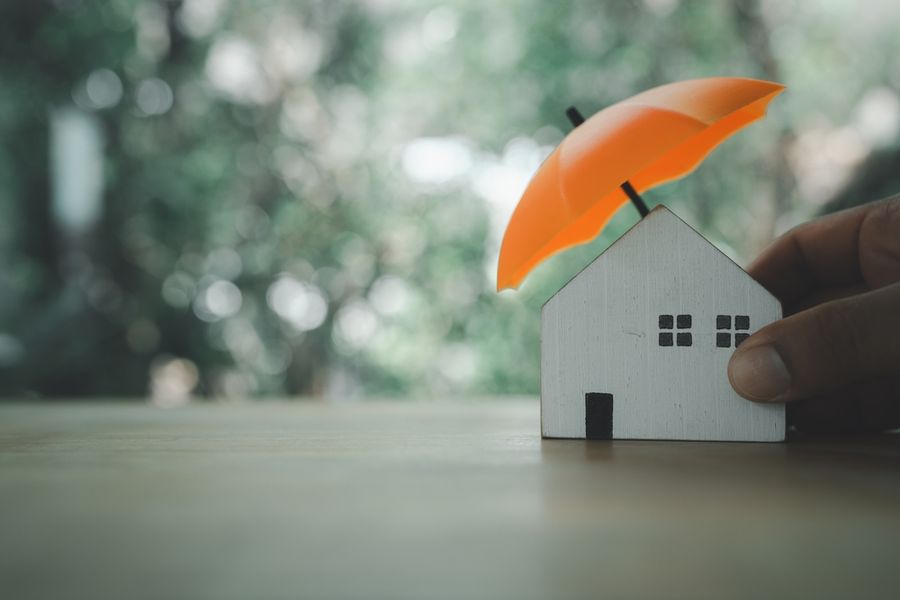
A safe home provides comfort, confidence, and peace of mind for everyone living in it. Fire risks, security concerns, and everyday hazards can arise unexpectedly, but many are preventable with the right precautions. Simple habits and thoughtful planning go a long way in creating a safer environment for families, children, and guests. By understanding essential safety practices, homeowners can better protect their loved ones and respond more effectively during emergencies.
What Are the Most Important Steps for Fire Prevention at Home?
Fire prevention begins with awareness of common household risks. Cooking is a leading cause of home fires , so never leaving food unattended and keeping flammable items away from the stove are essential habits. Regularly cleaning the oven and stovetop prevents grease buildup that can ignite. Space heaters should be kept on stable surfaces and away from curtains or bedding. Ensuring electrical cords are in good condition reduces the risk of sparks or overheating.
Smoke alarms serve as a crucial line of defense. Testing alarms monthly and replacing batteries annually ensures they remain functional. Having a fire extinguisher easily accessible in the kitchen adds another layer of protection. Creating a home escape plan and practicing it with your family prepares everyone for quick, safe action if a fire occurs. These precautions significantly lower the risk of injury or damage.
How Can Homeowners Improve Security Easily?
Home security doesn’t always require complex systems. Locking doors and windows consistently is one of the simplest yet most effective habits. Installing deadbolts enhances entry protection, while adding motion-sensor lighting around the exterior deters potential intruders. Trimmed landscaping near windows and doors improves visibility and removes hiding spots. These small actions strengthen overall safety.
Technology also helps support home security. Video doorbells, smart locks, and home monitoring systems provide alerts and remote access from mobile devices. Even basic cameras can offer valuable peace of mind. Neighborhood watch programs and connecting with neighbors further enhance awareness. Combining practical habits with smart technology creates a safer, more secure home environment.
What Childproofing Essentials Should Every Home Have?
Childproofing focuses on reducing access to hazards. Securing heavy furniture and TVs prevents tipping accidents, especially when children pull or climb. Installing safety gates at the top and bottom of stairs provides a physical barrier that protects young children. Cabinets containing cleaning products, medications, or sharp items should have child-resistant locks. Outlet covers help prevent accidental electric shock.
Soft corner guards protect children from sharp edges on tables and counters. Window locks or guards minimize the risk of falls. Keeping small objects out of reach helps prevent choking hazards. Childproofing requires ongoing attention as children grow and become more mobile. Regularly reassessing your home helps ensure it remains safe at every stage.
How Can You Protect Your Home Against Carbon Monoxide?
Carbon monoxide is a colorless, odorless gas that can be dangerous when undetected. Installing carbon monoxide detectors on every floor, and especially near bedrooms, provides early warning if levels rise. Detectors should be tested monthly, and batteries should be replaced regularly. Combination smoke and carbon monoxide detectors offer convenience and full protection.
Proper maintenance of appliances also helps prevent carbon monoxide buildup. Furnaces, fireplaces, water heaters, and gas stoves should be inspected annually. Ensuring vents and chimneys remain unobstructed allows harmful gases to exit safely. Never run a vehicle inside a closed garage, even briefly. These preventative steps protect your household from a serious yet avoidable risk.
What Should You Check Annually to Keep Your Home Safer?
Annual inspections help identify hidden risks before they become serious issues. Checking electrical wiring, outlets, and panels for damage reduces fire hazards. Inspecting your roof, gutters, and exterior walls helps prevent leaks that could lead to structural problems. Reviewing locks, alarms, and outdoor lighting ensures security features remain functional. Homeowners should also evaluate their emergency preparedness, including first-aid supplies and evacuation plans.
Appliance maintenance plays a key role in home safety. Cleaning dryer vents prevents lint buildup, which is a common fire hazard. Servicing HVAC systems improves air quality and reduces mechanical risks. Refreshing safety knowledge through online resources or local workshops helps you stay informed. Yearly evaluations keep your home safe and well-maintained.
How Do You Prepare Your Home for Emergencies?
Emergency readiness offers peace of mind during unexpected situations. Keeping a stocked emergency kit with water, flashlights, batteries, and a first-aid kit ensures basic needs are met. Having a supply of medications, important documents, and essential contact information is helpful during evacuations. Creating clear family communication and meeting plans supports safety during fires, storms, or power outages.
Practicing emergency procedures helps everyone remain calm under pressure. Children benefit from age-appropriate guidance, helping them understand how to react. Staying informed about local weather alerts and community resources improves preparedness. Thoughtful planning ensures your home stays as safe as possible during challenging moments.
Building a Safer Home Through Awareness and Action
Home safety grows stronger with consistent habits, proactive checks, and thoughtful preparation. Each small step (from testing alarms to childproofing cabinets) creates a more secure environment for everyone.
By staying aware of potential hazards and addressing them early, you build a home where peace of mind comes naturally. Safety becomes a shared commitment that supports comfort and confidence every day.