

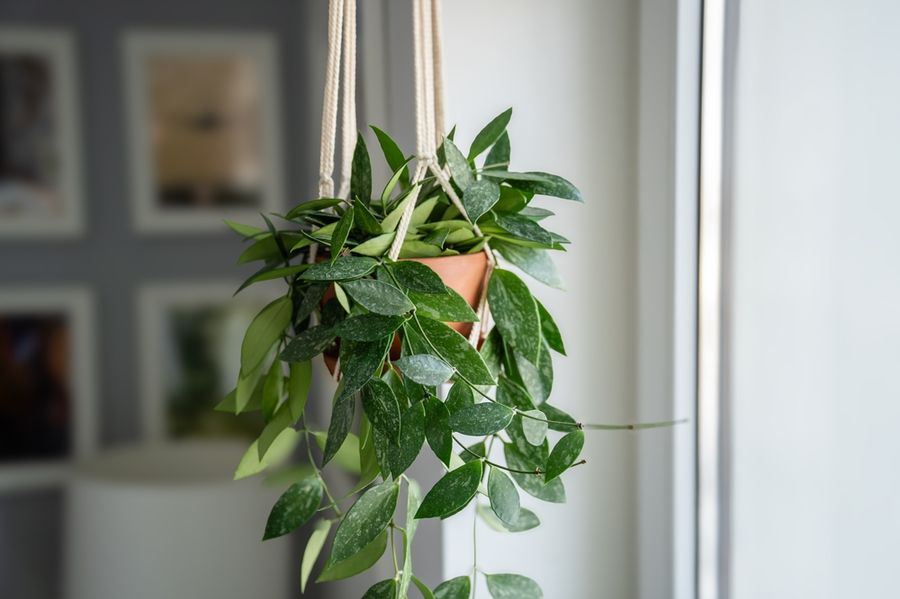
Houseplants bring fresh energy, color, and life into any home, but keeping them thriving can feel challenging for beginners. Each plant has unique needs, yet most rely on the same basic elements to stay healthy, like light, water, soil, and proper care. Understanding the key elements makes plant care more intuitive and far less intimidating. With a little awareness and consistency, even novice plant owners can enjoy lush, vibrant greenery year-round.
How Much Light Do Indoor Plants Really Need?
Light is one of the most important factors affecting plant health. Some plants, such as succulents and cacti, prefer bright, direct sunlight, while others (like pothos or snake plants) thrive in low to medium light. Understanding your plant’s natural environment can help you determine its needs. Observing leaf color and growth patterns also provides clues; pale or leggy growth often signals insufficient light. Rotating plants regularly encourages even growth and prevents leaning toward a single light source.
Not all homes have abundant natural light, but many plants adapt well to indirect lighting or shaded spaces. Supplemental grow lights can help support plants in darker rooms. These lights mimic the sun’s spectrum and encourage healthy growth. Matching the right plant to the right lighting conditions is key to ensuring long-term success.
How Often Should Houseplants Be Watered?
Watering needs vary widely from one plant to another. Some plants prefer consistently moist soil, while others thrive when the soil dries between waterings. Overwatering is one of the most common causes of plant decline, often leading to root rot. Checking the soil with your finger before watering helps determine whether moisture is truly needed. If the top inch feels dry, it may be time to water.
Watering deeply but infrequently supports stronger root development. Allowing excess water to drain prevents buildup and keeps the roots healthy. Using pots with drainage holes further protects against waterlogged soil. Understanding each plant’s individual watering preferences helps prevent guesswork and keeps your greenery vibrant and healthy.
Why Is Proper Soil and Potting Important?
Soil impacts drainage, nutrient availability, and overall plant health. General-purpose potting soil works well for many houseplants, but some varieties (like succulents or orchids) require specialized mixes. These blends improve airflow, moisture retention, and drainage to better match each plant’s natural environment. Using the right soil helps prevent root problems and encourages strong, consistent growth.
Pot size also influences plant well-being. A pot that’s too large holds more moisture than the plant can use, risking root rot. A pot that’s too small may restrict growth and dry out too quickly. Repotting every year or two refreshes nutrients and provides needed space for root expansion. Proper potting practices create a stable foundation for healthy plants.
How Can You Tell When a Plant Is Struggling?
Plants communicate their needs through visual cues . Yellowing leaves may indicate overwatering, while brown leaf tips often signal underwatering or low humidity. Wilting can occur when the plant is too dry, too wet, or exposed to sudden temperature changes. Slow growth or drooping leaves may also mean the plant isn’t receiving enough light. Paying attention to these signals helps identify problems early and prevents long-term damage.
Inspecting the soil, stems, and leaves provides valuable information. Checking for pests—such as tiny webs, spots, or sticky residue—helps catch infestations before they spread. Observing the plant consistently helps you understand its natural patterns and notice early signs of stress. Quick adjustments often restore balance and improve overall health.
What Can You Do to Prevent Common Houseplant Pests?
Pests often thrive in warm, humid environments or overcrowded plant clusters. Keeping plants clean by wiping leaves and removing debris reduces opportunities for pests to take hold. Inspecting new plants before bringing them inside helps prevent introducing unwanted insects. Neem oil, insecticidal soap, and natural sprays offer effective ways to manage pests when needed.
Proper watering and airflow also discourage pests. Overwatered soil attracts fungus gnats, while dry conditions may attract spider mites. Ensuring plants have adequate space improves air circulation and reduces moisture buildup. Regular monitoring keeps pest problems small and manageable, eliminating stress for both you and your plants.
How Can You Help Plants Grow Better Indoors?
Creating a stable indoor environment supports strong growth. Maintaining moderate temperatures and humidity levels helps most plants thrive. Using a humidifier or placing plants on a pebble tray adds moisture to dry indoor air. Dusting leaves improves their ability to absorb light, boosting overall photosynthesis. Fertilizing during active growing seasons provides essential nutrients that promote new leaves and stronger stems.
Rearranging plants during seasonal light changes helps them receive the right amount of sun. Many plants benefit from being moved closer to windows in winter and farther away during intense summer heat. Observing growth patterns and adjusting placement encourages healthier development. Simple, intentional care helps plants flourish indoors.
Growing Confidence as a Houseplant Owner
Caring for houseplants becomes easier when you understand their signals and needs. With attention to light, water, soil, and general maintenance, your plants can thrive and bring beauty to your home.
Small habits and thoughtful adjustments build confidence and make the experience more rewarding. Over time, you’ll develop a natural intuition for what helps your plants stay healthy, vibrant, and full of life.