

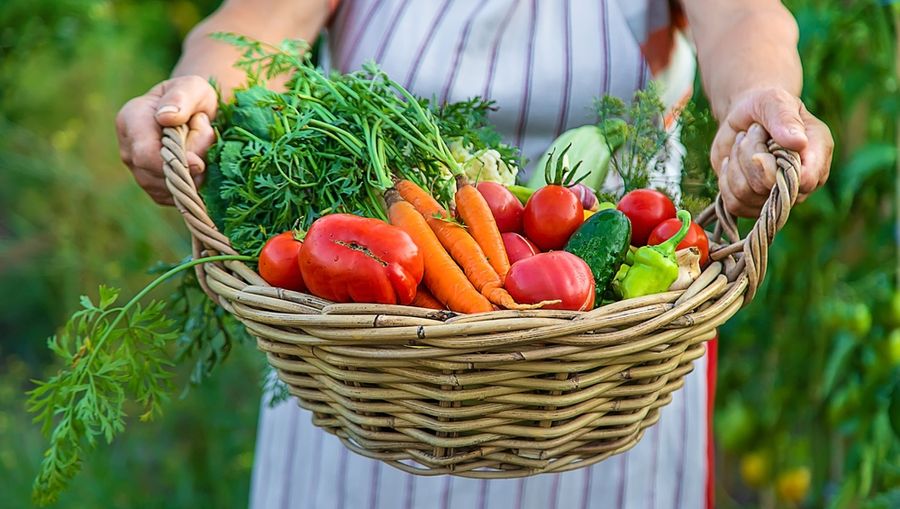
Growing a vegetable garden at home offers a rewarding way to enjoy fresh food, connect with nature, and create a peaceful outdoor routine. Whether you’re working with a large backyard or a small patio, the right setup can yield delicious results throughout the season. Many beginners wonder how to get started, what to plant first, and how to keep everything thriving. With simple planning and consistent care, gardening becomes both enjoyable and productive.
What Should You Consider Before Starting a Vegetable Garden?
Before planting, it’s helpful to understand your space, climate, and sun exposure . Most vegetables need at least six hours of sunlight each day, so choosing the brightest area in your yard or balcony gives plants the best chance to flourish. Soil quality also plays a major role. Testing your soil or using raised beds helps ensure proper nutrition and drainage. Knowing your region’s growing zone guides you in selecting vegetables that thrive in your climate.
Evaluating your time commitment is equally important. Some vegetables require daily attention, while others grow with minimal care. Planning your garden based on your lifestyle helps prevent overwhelm. Start small and gradually expand as you build confidence. Thoughtful preparation lays the foundation for a healthy, productive garden.
Which Vegetables Are Easiest for Beginners to Grow?
Some vegetables are naturally low-maintenance and forgiving, making them great for new gardeners . Lettuce, spinach, radishes, and green beans grow quickly and don’t require complicated care. Tomatoes, peppers, and cucumbers are also popular choices, especially when started from young plants rather than seeds. Herbs like basil, mint, and parsley thrive in containers and offer instant gratification for beginner gardeners.
Choosing vegetables you enjoy eating adds extra motivation to maintain your garden. Many beginners find success by starting with a few varieties and expanding later in the season. Selecting hardy, disease-resistant plants increases your chances of success. With the right choices, your first garden can grow beautifully even with limited experience.
How Do You Prepare Soil for Healthy Vegetable Growth?
Healthy soil provides the foundation for strong plants. Loosening the soil allows roots to spread easily, improving nutrient absorption and overall growth. Adding compost enhances soil structure, increases moisture retention, and introduces beneficial microorganisms. If your soil is heavy clay or sandy, mixing in organic matter helps create a balanced texture ideal for vegetables.
Raised beds offer a convenient option for improving soil quality quickly. They provide excellent drainage while allowing you to control the soil composition. Container gardening is another practical solution for small spaces or poor soil conditions. No matter which method you choose, nourishing the soil before planting leads to healthier, more productive crops.
How Often Should a Vegetable Garden Be Watered?
Watering consistently helps plants thrive, but the frequency depends on climate, soil type, and plant varieties. Most vegetables prefer deep watering that reaches the root zone rather than frequent shallow watering. Checking soil moisture with your finger helps determine when water is needed. If the top inch feels dry, it’s time to water. Morning is the best time to water because it reduces evaporation and allows foliage to dry during the day.
Mulching helps retain moisture and reduces the need for frequent watering. It also keeps roots cool during hot weather. Drip irrigation or soaker hoses offer efficient ways to deliver water directly to the soil, minimizing waste. Adjusting your watering routine throughout the season ensures your plants stay hydrated and healthy.
How Do You Handle Common Garden Pests Naturally?
Pests like aphids, caterpillars, and slugs can appear in any garden, but natural methods often keep them under control. Encouraging beneficial insects, such as ladybugs, lacewings, and bees, helps maintain a balanced ecosystem. Planting companion plants like marigolds or basil can deter unwanted pests while supporting vegetable growth. Regularly inspecting your garden allows you to catch issues early before they spread.
Hand-picking pests or using mild solutions like neem oil can protect your plants without harsh chemicals. Maintaining healthy soil and proper spacing also reduces disease risk by improving air circulation. Natural pest control helps keep your garden eco-friendly while encouraging stronger, more resilient plants.
When Is the Best Time to Harvest Vegetables?
Harvest timing depends on the type of vegetable and the flavor you prefer. Leafy greens often taste best when picked early, as they become bitter when overgrown. Tomatoes are ready when they deepen in color and feel slightly soft to the touch. Root vegetables like carrots or beets can be pulled once they reach the size indicated on the seed packet or when they begin pushing above the soil.
Frequent harvesting encourages many plants, such as cucumbers and zucchini, to produce more. Checking your garden daily helps you catch vegetables at their peak of freshness. Learning the ideal harvest window for each plant enhances flavor and ensures your hard work pays off.
Growing Your Gardening Confidence, One Season at a Time
Starting a vegetable garden may seem overwhelming at first, but each step becomes easier with practice and patience. As you learn what your plants need, your garden becomes more productive and enjoyable.
Small successes build confidence, inspiring you to expand your skills and try new varieties. With care and curiosity, your garden becomes a rewarding space that provides nourishment, beauty, and a deeper connection to nature.