

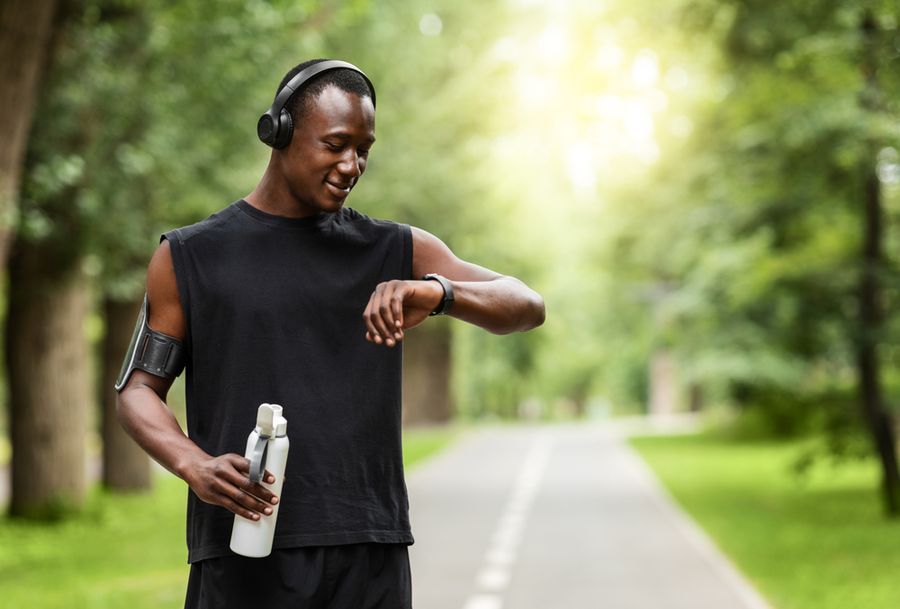
Fitness trackers can make daily movement, workouts, sleep, and health patterns easier to understand, but not every device fits every routine. Some people only need step counts and reminders to move, while others want GPS, heart-rate zones, swim tracking, or detailed recovery data. Budget, battery life, smartphone compatibility, comfort, and app design can all affect long-term satisfaction. A good tracker should match personal goals without adding features that feel confusing, unnecessary, or expensive.
What Are Your Fitness Goals?
The best fitness tracker for one person may be completely wrong for another, so goals should come first. Someone trying to walk more each day may only need step tracking, movement reminders, and simple progress reports. A runner may need built-in GPS, pace tracking, interval timers, and heart-rate zones. A swimmer should look for swim tracking and strong water-resistance ratings.
Thinking about your main goal helps narrow the options before price or brand becomes distracting. A basic tracker can work well for general wellness, while a running watch or multisport watch may be better for serious training. Paying for advanced features only makes sense when you’ll actually use them. The right device should support your routine, not overwhelm it with tools that don’t match your lifestyle.
What Phone Will You Be Pairing With the Device?
Compatibility should be part of the decision-making process. In fact, it should be the next thing you evaluate to help narrow your choices. While many fitness trackers work with both Android and iPhone devices, some offer additional features when paired with a specific ecosystem. Apple Watches are designed to work best with iPhones, while certain Samsung features are optimized for Samsung Galaxy devices. Purchasing a tracker without checking compatibility can result in missing functionality or a less seamless experience.
It's also helpful to consider whether the tracker integrates with popular fitness platforms you already use. Many people prefer syncing workouts to services such as Strava, Apple Health, or Google Health Connect. Choosing a tracker that works smoothly with existing apps can make it easier to track progress over time and keep all health information organized in one place.
What Activity Tracking Features Are You Looking For?
Activity tracking is the foundation of most fitness trackers. Basic models usually count steps, estimate calories burned, track active minutes, and remind you to move. Those features can be helpful for building everyday habits, especially for people who want more awareness around movement. For general wellness, simple activity tracking may be enough.
More advanced devices offer dedicated modes for running, cycling, strength training, yoga, swimming, skiing, hiking, and other activities. Choosing a tracker with the right workout modes matters because each mode can collect different data. A cycling workout may emphasize speed and distance, while a strength workout may focus more on time, heart rate, and recovery. The more closely the tracker matches your preferred activities, the more useful the data becomes.
Is GPS Important to You?
GPS can be one of the most important features for runners, cyclists, hikers, and outdoor walkers. Built-in GPS allows a tracker to record distance, pace, elevation, and route details without relying on a phone. That can be especially useful for people who want accurate outdoor workout data or prefer leaving their phone at home.
Not everyone needs built-in GPS, though. Some trackers use connected GPS, which means they rely on a nearby smartphone for location data. That can work well for casual users who already carry a phone during walks or runs. Built-in GPS usually costs more and can drain the battery faster, so it’s worth deciding whether route tracking is truly necessary. For treadmill workouts, gym sessions, and daily steps, GPS may not be a priority.
What Health Metrics Are Important?
Many modern fitness trackers include wrist-based heart-rate monitoring. Heart-rate data can help users understand workout intensity, resting heart rate, cardio fitness trends, and training zones. For people trying to improve endurance, manage workout effort, or monitor recovery, heart-rate tracking can add useful context beyond simple step counts.
Some trackers also include sleep tracking, blood oxygen estimates, stress tracking, breathing exercises, skin temperature trends, or readiness scores. While those features can be helpful, they should never replace medical advice or a professional health evaluation. Accuracy can also vary by device and by how the tracker fits on the wrist. Health metrics are most useful when viewed as trends over time rather than perfect measurements from a single day.
How Long Do You Want To Go Between Charges?
Battery life can make a huge difference in how often someone actually uses a fitness tracker. Some basic trackers can last close to a week or more, while full-featured smartwatches may need charging every day or two. GPS workouts, bright displays, music playback, and always-on screens can drain power more quickly.
A shorter battery life isn’t always a dealbreaker, especially for people who already charge devices daily. However, longer battery life can be valuable for travel, hiking, sleep tracking, and anyone who dislikes constant charging. If sleep tracking matters, battery life becomes even more important because the device needs to stay on overnight. A tracker that spends too much time on the charger may not collect enough consistent data to be useful.
What Is the App Experience Like?
A fitness tracker only tells part of the story. Most of the data collected throughout the day is viewed, organized, and analyzed through a companion smartphone app. Sleep trends, workout history, heart-rate information, goal tracking, and progress reports are typically accessed through the app rather than the device itself. Even a tracker with excellent hardware can feel frustrating if the app is difficult to navigate or doesn't present information in a useful way.
Some brands focus heavily on community features, training plans, badges, and social sharing, while others emphasize detailed performance metrics and recovery data. Before purchasing a tracker, it's worth exploring screenshots, reviews, and app features to determine whether the experience aligns with your goals. Since you'll likely interact with the app more often than the tracker itself, software quality can be just as important as hardware quality.
Top Fitness Trackers To Consider
|
Fitness Tracker |
Standout Features |
Best For |
|---|---|---|
|
Step tracking, sleep monitoring, heart-rate tracking, long battery life, beginner-friendly design |
Beginners and casual fitness users |
|
|
Fitbit Charge 6 |
Built-in GPS, multiple exercise modes, heart-rate tracking, Google integration, detailed fitness insights |
Users who want advanced fitness features without a smartwatch |
|
Apple Watch Series 11 |
Extensive health tracking, workout modes, smartphone integration, notifications, GPS |
iPhone users seeking a full smartwatch experience |
|
Samsung Galaxy Watch 8 |
Fitness tracking, sleep coaching, heart-rate monitoring, Android integration, AI-powered insights |
Android users who want fitness and smart features |
|
Garmin Venu Sq 2 |
Weeklong battery life, GPS, health metrics, lightweight design, workout tracking |
Users prioritizing battery life and outdoor activities |
|
Oura Ring 4 |
Sleep tracking, recovery insights, wellness monitoring, discreet design, weeklong battery life |
People focused on sleep, recovery, and overall wellness |
Making the Final Decision
The best fitness tracker isn't necessarily the one with the longest feature list or the highest price tag. A device that aligns with your goals, preferred activities, budget, and daily habits is often the most satisfying choice. Someone focused on increasing daily movement may be perfectly happy with a simple tracker, while a runner or cyclist may benefit from advanced GPS and training metrics. Choosing a device based on actual needs rather than marketing features can prevent unnecessary spending and frustration.
Comfort, battery life, app usability, and compatibility with your smartphone should also play important roles in the decision. A tracker that feels comfortable to wear and provides information in a clear, easy-to-understand format is more likely to become part of a long-term routine. As fitness technology continues to evolve, the most valuable tracker remains the one that helps you stay motivated, monitor progress, and support the health goals that matter most to you.