

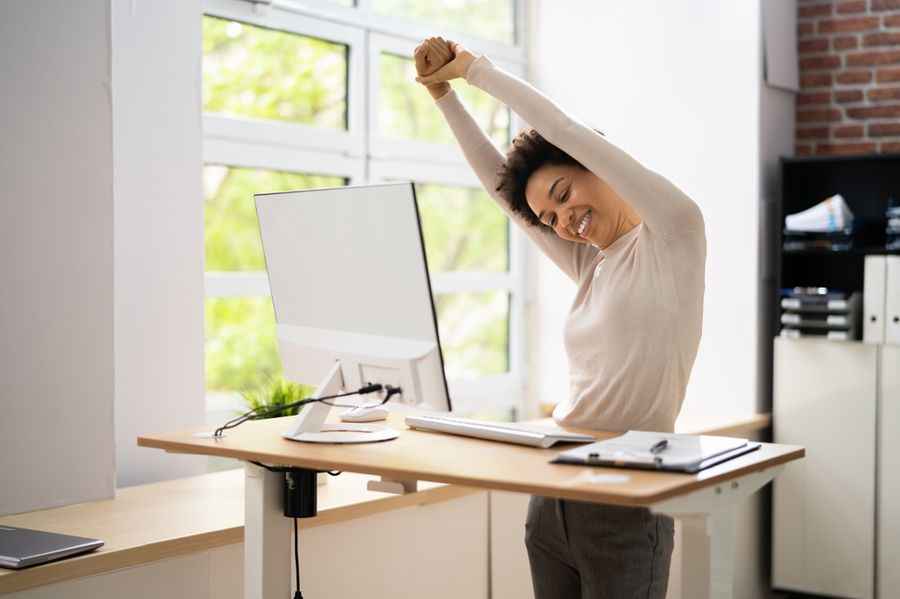
Sitting for long periods has become a normal part of many jobs, yet it can quietly affect energy, posture, and overall well-being. Long workdays at a desk often lead to stiffness, fatigue, and reduced focus. Fortunately, small adjustments throughout the day can help the body feel more supported and resilient. Understanding simple wellness habits makes it easier to stay healthy, energized, and comfortable while working in a sedentary environment.
Why Is Sitting for Long Periods a Health Concern?
Prolonged sitting can affect circulation, joint health, and posture. When the body stays in one position for too long, muscles tighten, and blood flow slows, which may contribute to discomfort or stiffness. Over time, this lack of movement can impact flexibility and reduce mobility. Many people also experience increased tension in their neck, shoulders, and lower back due to poor desk positioning or extended screen use.
Sedentary habits can also influence energy levels and focus. Without breaks to stretch or move, the body becomes sluggish, making concentration more difficult. Recognizing the impact of extended sitting encourages more mindful workday habits. By incorporating regular movement and adjusting your setup, you can protect your long-term health and comfort.
What Posture Tips Help Reduce Discomfort During the Workday?
Good posture begins with proper alignment. Your feet should rest flat on the floor, your knees should be at a comfortable angle, and your lower back should feel supported by your chair. Adjusting your screen to eye level reduces neck strain, while keeping your shoulders relaxed prevents unnecessary tension. Small shifts in posture throughout the day help maintain circulation and comfort.
Ergonomic tools can make a meaningful difference. Lumbar cushions, adjustable chairs, or monitor stands support better positioning without drastic changes. Being mindful of hunching or leaning forward helps prevent long-term discomfort. Regular posture checks throughout the day help maintain healthier habits, promoting comfort and reducing strain.
How Often Should You Take Movement Breaks?
Movement breaks are essential for reducing the effects of prolonged sitting. Many people benefit from standing or stretching at least once every hour . Even brief moments of movement, such as shoulder rolls, leg stretches, or a quick walk, help reset the body. These small breaks support circulation, reduce stiffness, and refresh focus.
Incorporating movement into your routine doesn’t need to disrupt productivity. Standing during phone calls, taking the stairs, or walking during lunch can boost energy naturally. Gentle stretching releases muscle tension built up throughout the day. Over time, consistent movement breaks help the body feel more balanced and improve overall workplace comfort.
What Desk Exercises Can Help Support Strength and Flexibility?
Simple desk exercises support mobility and comfort without stepping away from your workspace. Seated leg lifts, neck stretches, and wrist rotations help loosen tight areas commonly affected by long hours at the desk. Stretching the chest and shoulders counteracts the hunching posture many people fall into during computer work. These movements take only a few minutes but offer lasting benefits.
Strength-based exercises can also be done discreetly. Engaging core muscles, practicing seated marches, or performing calf raises promote stability and circulation. These mini-exercises build strength gradually and help prevent strain. Integrating them throughout the day creates a routine that promotes both flexibility and overall physical well-being.
How Can You Support Mental Wellness While Working Sedentary Jobs?
Mental wellness is closely connected to physical comfort. Taking breaks to breathe deeply, step outside, or briefly disconnect from screens helps reset your mind. Setting boundaries around work-related notifications supports focus and reduces overwhelm. Incorporating moments of mindfulness or gratitude can shift your mindset and reduce stress during demanding days.
Creating a positive workspace also supports emotional well-being. Surrounding yourself with natural light, calming colors, or plants helps create a more uplifting environment. Maintaining organization reduces visual clutter and enhances mental clarity. When mental wellness is prioritized, workdays feel more manageable and satisfying.
What Healthy Habits Can Boost Energy When You Sit All Day?
Hydration and balanced nutrition play significant roles in maintaining steady energy. Drinking water throughout the day supports mental clarity and helps prevent fatigue. Choosing snacks like nuts, fruit, or yogurt provides long-lasting fuel without energy crashes. Eating meals away from your desk encourages better digestion and helps break up sitting time.
Sleep also influences daytime energy. Establishing a consistent sleep routine ensures your body feels more refreshed and alert. Adding small bursts of movement, such as a lunchtime walk, supports blood flow and boosts mood. Practicing these habits consistently helps counteract the effects of prolonged sitting and supports overall vitality.
Creating Wellness in the Workplace, One Habit at a Time
Staying healthy during long hours of sitting becomes easier when you incorporate small, intentional habits into your routine. Improving posture, adding movement, and supporting mental well-being all contribute to a more energized and comfortable workday.
Each healthy choice helps reduce the impact of sedentary work and promotes long-term resilience. With consistency, your workspace can become a setting that supports both productivity and well-being.