

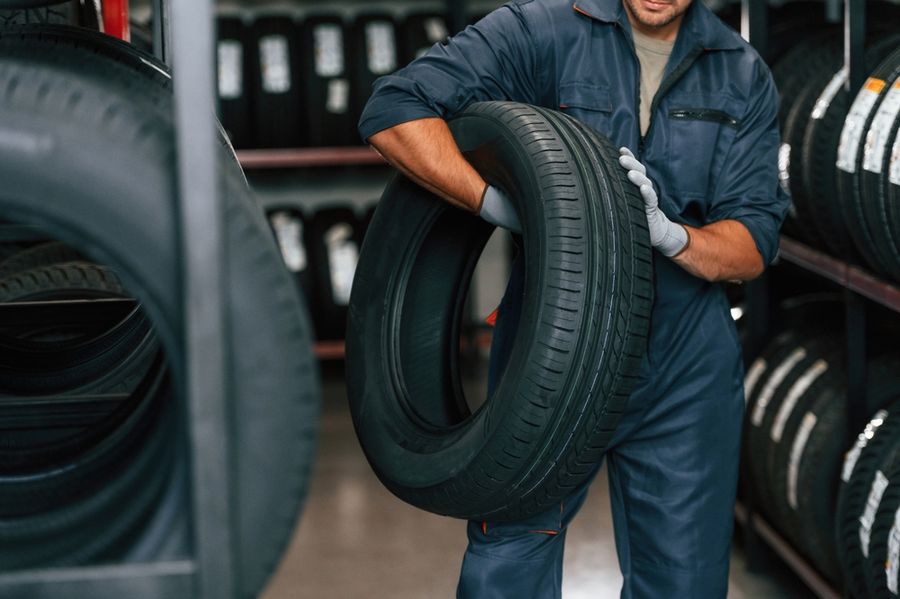
Choosing the right tires can have a significant impact on vehicle safety, handling, comfort, and performance throughout the year. Different tire types are engineered for specific temperatures, weather conditions, and driving styles, which means one option isn't necessarily ideal for every driver. Understanding how all-season, summer, and winter tires differ can help motorists make more informed decisions based on their climate and daily driving habits. Even small differences in tire design can affect traction and overall confidence behind the wheel.
Tire FAQs
What's the difference between all-season, summer, and winter tires?
All-season tires are designed for year-round use in moderate climates, summer tires focus on warm-weather performance, and winter tires are engineered for cold temperatures, snow, and ice.
Do I really need winter tires if I have all-wheel drive?
Yes. All-wheel drive helps with acceleration, but winter tires improve traction, braking, and cornering in cold conditions.
Can I use summer tires year-round?
Summer tires shouldn't be used in freezing temperatures, snow, or ice because their rubber compounds become too hard to maintain proper grip.
When should I switch to winter tires?
Most experts recommend installing winter tires when daily temperatures consistently fall below 45°F.
Are all-season tires good in snow?
They can handle light snow and mild winter weather, but they aren't a replacement for dedicated winter tires in severe conditions.
What Are All-Season Tires Designed For?
All-season tires are the most common tire type found on passenger vehicles because they offer a balanced combination of performance, comfort, and longevity. They're designed to provide dependable traction in dry conditions, wet roads, and mild winter weather. Many drivers appreciate the convenience of using one set of tires year-round without needing seasonal changes. Their tread patterns are engineered to deliver reasonable performance across a wide range of conditions rather than maximizing performance in one specific area.
The tradeoff is that all-season tires are designed to be generalists rather than specialists. They typically don't provide the same level of dry-road grip as summer tires or the same cold-weather traction as winter tires. Drivers living in regions with moderate temperatures and limited snowfall often find all-season tires to be the most practical solution. However, those who regularly encounter severe winters may benefit from switching to dedicated winter tires during colder months.
Pros:
- Works in rain, cold, and dry conditions year-round
- No seasonal tire swaps required
- Widely available for virtually every vehicle make and model
Cons:
- Measurably longer stopping distances in heavy snow versus winter tires
- Reduced grip on ice compared to cold-weather-specific compounds.
What Are Summer Tires Designed For?
Summer tires are built for warm weather and prioritize handling, cornering, braking performance, and road grip. Their rubber compounds remain soft and responsive in higher temperatures, allowing them to maintain excellent contact with the road surface. Wide tread patterns and specialized grooves help improve traction in both dry and wet conditions, making them popular among sports car owners and performance-minded drivers.
Although the name suggests dry-weather use only, many summer tires perform exceptionally well during rain in warm weather. Their tread designs often resist hydroplaning while maintaining a strong grip on wet pavement. The downside is that summer tires lose effectiveness as temperatures approach freezing. Once temperatures consistently fall below 45°F, the rubber hardens, reducing traction and braking performance. For drivers in warmer climates, summer tires can provide an enjoyable driving experience, but they're not suitable for snow or ice.
Pros:
- Best dry-road grip of any tire category
- Superior wet traction in warm temperatures
- Optimized for handling response and braking performance
Cons:
- Dangerous in cold temperatures or any snowfall
- Impractical as a year-round option in most U.S. climates
What Are Winter Tires Designed For?
Winter tires are engineered specifically for cold-weather performance. Their specialized rubber compounds remain flexible even when temperatures drop below 45°F, allowing them to maintain traction where other tire types begin losing grip. Winter tire tread patterns also feature deeper grooves and dense siping that improve performance on snow, slush, ice, and freezing rain. Many winter tires carry the Three-Peak Mountain Snowflake (3PMSF) symbol, indicating they meet industry standards for severe snow performance.
Contrary to popular belief, winter tires aren't only for snowy roads. Their greatest advantage often comes from their ability to perform effectively in cold temperatures regardless of precipitation. Braking distances are typically shorter, and cornering stability often improves significantly compared to all-season or summer tires in freezing conditions. While winter tires excel during colder months, they should be removed once temperatures consistently rise because they wear faster and perform less effectively in warm weather.
Pros:
- Far shorter stopping distances on snow and ice
- Softer compound stays effective well below freezing
- Dramatically improves cornering control in winter conditions
Cons:
- Must be removed in spring, or they will wear down rapidly on warm roads
- Adds the planning and logistics of seasonal swaps
What Other Tire Types Should Drivers Know About?
While all-season, summer, and winter tires receive the most attention, several other categories serve specific driving needs. Touring tires focus on ride comfort, low road noise, fuel efficiency, and long tread life. Performance tires emphasize sharper handling and responsiveness, making them popular among drivers who prioritize driving dynamics. All-weather tires have also grown in popularity because they offer stronger winter performance than traditional all-season tires while still remaining suitable for year-round use.
Drivers of trucks and SUVs may encounter all-terrain and mud-terrain tires. All-terrain tires balance highway comfort with off-road capability, making them suitable for mixed driving conditions. Mud-terrain tires prioritize aggressive off-road traction but often sacrifice road noise and ride comfort. Other specialty options include run-flat tires, studded winter tires, and rugged-terrain tires, each designed for unique situations and environments. Understanding these categories can help drivers identify alternatives that better match their needs.
|
Feature / Capability |
All-Season Tires |
Summer Tires |
Winter Tires |
|---|---|---|---|
|
Dry Roads (Above 45°F) |
Good |
Excellent |
Poor |
|
Wet Roads (Above 45°F) |
Good |
Excellent |
Fair |
|
Dry Roads (Below 45°F) |
Moderate |
Poor |
Excellent |
|
Light Snow Capability |
Limited |
No |
Excellent |
|
Heavy Snow Capability |
No |
No |
Excellent |
|
Ice Traction |
Limited |
No |
Excellent |
|
Warm Weather Performance |
Good |
Excellent |
Poor |
|
Cold Weather Performance |
Moderate |
Poor |
Excellent |
|
Year-Round Use |
Good (Moderate Climates) |
No |
No |
|
Tread Life |
Excellent |
Moderate |
Moderate |
|
Sporty Handling |
Moderate |
Excellent |
Limited |
|
Comfort & Quiet Ride |
Excellent |
Moderate |
Moderate |
How Do You Choose the Right Tire for Your Needs?
The most important factor when selecting tires is understanding the climate where you drive most often. Drivers in regions with mild temperatures and minimal snowfall may find all-season tires perfectly adequate. Those living in areas with hot temperatures year-round often benefit from the improved grip and handling offered by summer tires. Meanwhile, drivers facing freezing temperatures, snow, or icy roads should strongly consider winter tires for safety and performance.
Driving habits also play a role. A daily commuter may prioritize comfort, tread life, and fuel efficiency, while an enthusiast may value handling and responsiveness. Vehicle type, annual mileage, road conditions, and budget should all be considered. Choosing tires based solely on price can lead to compromises in performance and safety, making it worthwhile to evaluate how the tires will actually be used throughout the year.
What Tire Specifications Should You Pay Attention To?
Beyond tire type, several technical specifications deserve attention during the buying process. Tire size must match the vehicle manufacturer's recommendations and can usually be found on the driver's side door placard or in the owner's manual. Load index and speed ratings are also important because they indicate how much weight the tire can safely support and the maximum speed it can handle.
Treadwear ratings, traction grades, and temperature ratings can provide additional insight into expected performance and longevity. Drivers interested in maximizing fuel economy may also want to consider low-rolling-resistance tires. Finally, reviewing manufacturer warranties and understanding expected tread life can help compare options beyond the simple purchase price. Remember that a little research can go a long way toward finding a tire that delivers strong long-term value.
How Can You Make Your Tires Last Longer?
Proper maintenance plays a major role in tire longevity. Maintaining correct tire pressure helps improve fuel efficiency, handling, and tread wear while reducing the risk of premature failure. Regular tire rotations ensure that wear is distributed more evenly across all four tires, helping maximize usable tread life. Periodic inspections can also identify damage, punctures, or unusual wear patterns before they become larger problems.
Driving habits matter as well. Aggressive acceleration, hard braking, and frequent cornering at higher speeds can increase wear rates. Alignment issues can also shorten tire life significantly if left uncorrected. Simple practices such as checking tire pressure monthly and scheduling regular maintenance can help drivers get the most value from their investment while maintaining safer performance on the road.
Matching Tires to the Roads Ahead
Tires serve as the only point of contact between a vehicle and the road, making them one of the most important safety components on any car, truck, or SUV. While all-season tires provide versatility, summer tires excel in warm weather, and winter tires deliver superior cold-weather traction. Each category is designed with a specific purpose in mind, and understanding those differences can lead to better performance and safer driving.
The best tire choice ultimately depends on climate, driving habits, vehicle type, and personal priorities. Taking the time to evaluate weather conditions, expected road surfaces, and desired performance characteristics can help narrow the options considerably. A well-matched set of tires not only improves handling and comfort but can also provide greater confidence every time the road conditions change.