

A lush, vibrant lawn brings beauty and balance to any outdoor space, but achieving thick, green grass requires some understanding of what helps turf thrive. Sunlight, soil health, watering habits, and seasonal care all play important roles. Once you learn what your lawn needs, maintaining it becomes far more enjoyable and rewarding. With consistent attention and a few smart strategies, you can create a yard that feels healthy, resilient, and inviting throughout the year.
What Helps Grass Grow Thicker and Greener?
Grass thrives when it receives proper sunlight, water, and nutrients. Most lawns need at least four to six hours of sunlight daily to grow densely. Shaded areas may require shade-tolerant grass varieties or selective trimming of overgrown branches. Soil conditions also make a big difference. Healthy soil encourages deeper roots, which produce stronger, greener blades. Adding organic matter, such as compost, boosts nutrient levels and improves soil texture.
Consistent mowing practices also influence lawn thickness. Cutting grass too short weakens the root system, while keeping it slightly taller helps retain moisture and supports growth. Leaving grass clippings on the lawn can return nutrients to the soil. Over time, these practices encourage a fuller, greener appearance.
How Often Should You Water Your Lawn for Best Results?
Watering habits have a major impact on lawn health. Deep, infrequent watering is more effective than frequent light sprinkles because it encourages roots to grow deeper into the soil. Most lawns do well with about one inch of water per week, depending on climate and soil type. Early morning is the best time to water because it reduces evaporation and helps prevent fungal growth.
Different seasons may require adjustments. During hot weather, lawns may dry out more quickly and need additional watering. In cooler months, less water is required to maintain moisture levels. Monitoring soil condition and watching for signs of stress (like wilting or a bluish tint) helps you determine when your lawn needs attention.
Why Is Soil Testing Important for Lawn Health?
Soil testing reveals nutrient levels, pH balance, and overall soil quality. This information helps you understand what your lawn is missing and how to correct it. For example, soil that is too acidic or alkaline can prevent grass from absorbing nutrients effectively. Testing kits or professional services provide specific recommendations to improve soil health based on your lawn’s needs.
Adjusting soil conditions often improves lawn health quickly. Adding lime can correct acidity, while sulfur lowers alkaline soil. Essential nutrients like nitrogen, phosphorus, and potassium support strong growth and vibrant color. With the right soil amendments, your lawn becomes stronger, more disease-resistant, and better equipped for seasonal changes.
What Role Does Fertilizer Play in Growing a Healthy Lawn?
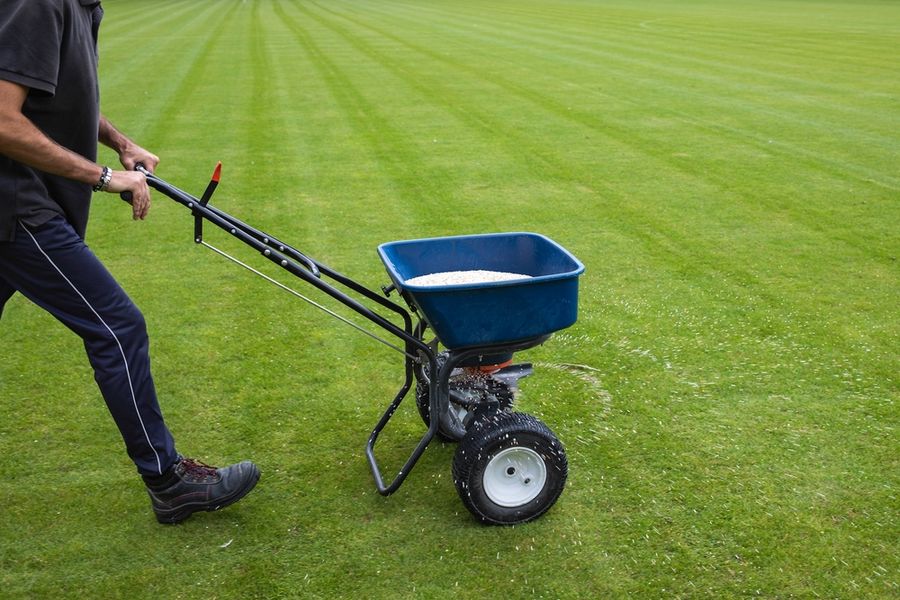
Fertilizer replenishes nutrients that grass uses throughout the growing season. Nitrogen is especially important for maintaining a rich green color, while phosphorus supports root development, and potassium helps with overall resilience. Applying fertilizer at the right time (typically in spring and fall) helps grass grow more vigorously and recover from stress.
Using a slow-release fertilizer provides steady nourishment without overwhelming the lawn. Over-fertilizing can burn grass or encourage excessive growth, making maintenance more difficult. Following recommended application rates ensures effective results. With regular but balanced feeding, your lawn becomes thicker, hardier, and more vibrant.
How Can Aeration Improve Lawn Growth?
Aeration helps improve airflow, water absorption, and nutrient penetration by creating small holes in the soil. Over time, soil becomes compacted from foot traffic, mowing, and natural settling, making it harder for roots to expand. Aerating once or twice a year loosens the soil and gives roots more room to grow. It’s especially beneficial for lawns with heavy clay soil or high foot traffic.
After aeration, overseeding helps fill bare spots and increase lawn density. Seeds settle into the aeration holes, making germination more effective. Pairing aeration with fertilizing enhances results even further. This combination refreshes your lawn and encourages stronger, more even growth across the yard.
What Mowing Practices Help Maintain a Healthy Lawn?
Proper mowing habits support long-term lawn health. Setting your mower blade to a higher height helps grass shade the soil, reducing water evaporation and preventing weed growth. Sharpening mower blades regularly ensures clean cuts rather than tearing the grass, which can lead to browning and disease. Mowing only when the grass is dry prevents clumping and keeps your lawn looking tidy.
Following the one-third rule , which is never cutting more than one-third of the grass height at a time, protects your lawn from stress. Consistent mowing encourages healthy growth patterns and creates a fuller appearance. With mindful mowing techniques, your lawn stays vibrant, manageable, and resilient throughout the seasons.
Cultivating a Lawn That Stays Lush and Healthy
A beautiful lawn develops through steady care, thoughtful adjustments, and attention to seasonal needs. By focusing on soil health, watering habits, mowing routines, and nutrient balance, you create conditions that support long-lasting growth.
Over time, your lawn becomes thicker, greener, and more enjoyable for outdoor living. With dedication and patience, even challenging yards can transform into thriving, welcoming spaces.